Food Waste Prevention Week, September 28-October 4, is a reminder that small actions can make a big difference. Whether it's planning meals, sharing surplus food, composting food scraps, or rescuing food before it goes to waste, each of us has a role to play in building a more sustainable community.
At the White Bear Area Food Shelf, food waste prevention is more than a one-week campaign. It's part of our everyday work.
Food Waste Prevention Through Giving Good Food a Second Opportunity
Every day, White Bear Area Food Shelf staff and volunteers make food rescue pickups from nine local grocery stores. These partnerships allow us to recover healthy, usable food that might otherwise be discarded and redirect it to neighbors experiencing food insecurity.
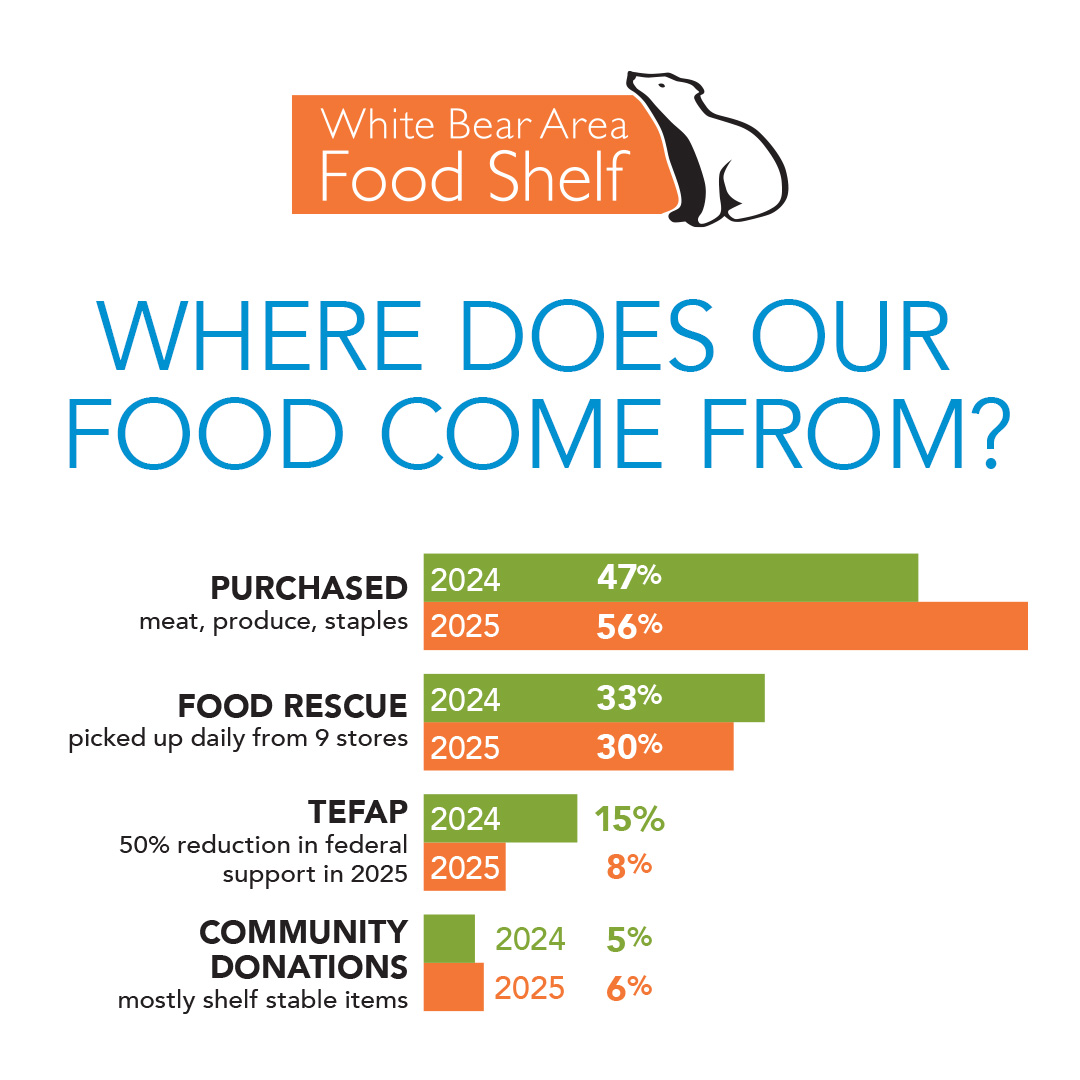
Today, 30% of the food distributed through the White Bear Area Food Shelf comes from food rescue efforts. Fresh fruits and vegetables, bakery items, dairy products, eggs, and other nutritious foods are given a second opportunity to nourish individuals and families at kitchen tables throughout our community.
As one volunteer food rescue driver shared: "The store staff where we pick up food are really appreciative and thank us when we come."
Those daily pickups create a positive impact for everyone involved. Grocery stores reduce waste, usable food stays out of landfills, and families gain access to healthy food.
A Commitment to Reducing Food Waste
Minimizing food waste is a priority at the White Bear Area Food Shelf. "We work hard to ensure as much food as possible reaches people who can use it," says Executive Director Perry Peterson.
The organization looks for every opportunity to keep food in use. Produce that can no longer be distributed is shared with a local pig farmer, helping divert organic material from landfills while supporting another local partner.
“I am thankful for the food scraps to help feed my 30 pigs. The pigs really enjoy the food, especially carrots, bread, and greens.” -Chaiz Xiong, pig farmer
This commitment is producing measurable results. Since 2012, the White Bear Area Food Shelf has rescued more than 3.79 million pounds of food. Food rescue efforts have grown dramatically over the years, reaching over 578,000 pounds in 2025 alone. What was once destined for a dumpster instead became meals, snacks, and fresh produce for local households.
What Can You Do at Home?
Food waste prevention starts with simple habits at home, and they do not have to be complicated.
Many of us already save leftovers, freeze extra produce, or share food with friends and family before it spoils. Now, residents of Ramsey and Washington Counties have another easy option for the food that cannot be eaten.
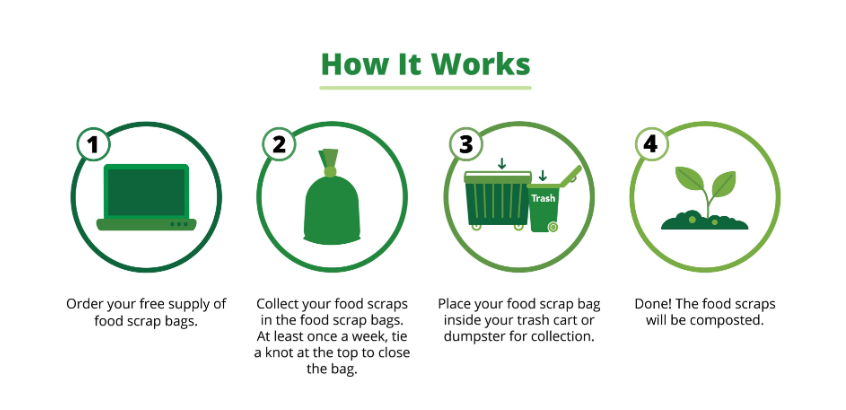
The new Food Scraps Pickup Program makes it convenient to recycle items such as fruit and vegetable peels, eggshells, coffee grounds, and other food scraps rather than sending them to the landfill. By collecting food scraps in your kitchen and setting them out for pickup, you can help turn waste into a resource.
Food rescue and food scrap recycling are two sides of the same coin. First, we make every effort to ensure good food is eaten and enjoyed. Then, when food scraps are unavoidable, we can keep them out of the landfill through composting and recycling programs.
Small choices made at home may not seem significant, but when an entire community participates, the impact adds up quickly.
Every Pound Matters
Food Waste Prevention Week invites us to think differently about the food we use every day. At the White Bear Area Food Shelf, we see firsthand how food that might otherwise be discarded can help meet a growing need in our community. Through food rescue partnerships, produce redistribution, and efforts to keep organic waste out of landfills, the food shelf is proud to be part of the solution to reducing food waste while increasing access to nutritious food.