A Complex Issue That Requires Collective Action
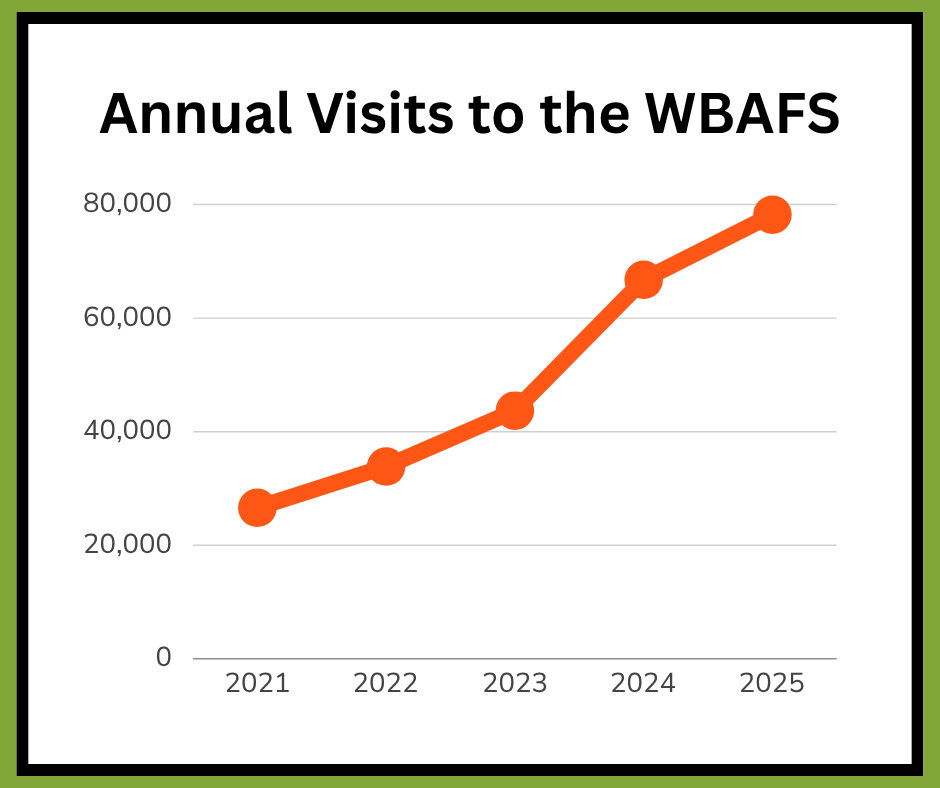
Even before recent changes to SNAP funding, food shelves across the country were being pushed to their limits. At the White Bear Area Food Shelf, visits have tripled over the past four years—a reflection of both increasing need and its commitment to improving accessibility.
To meet this growing demand, the food shelf shifted from appointment-based services to open market hours, removed residency requirements, and opened a second location. These changes made it easier for families to get help when they needed it most. Over 300 visitors receive food support from one of our food shelf programs every day.
And still, food shelves cannot fill the gap left by reduced SNAP benefits. As Sophia Lenarz-Coy, Executive Director of The Food Group, explains:
“For every one meal that's distributed by food shelves and food banks in the state of Minnesota, SNAP provides nine.”
This stark comparison highlights the reality: food shelves are a critical resource, but they are not a replacement for SNAP.
About 8% of Minnesotans rely on SNAP, and the impact goes beyond hunger relief. Every $1 in SNAP benefits generates about $1.50 in economic activity—supporting local grocery stores, food producers, transportation, and retail jobs. SNAP is not just a lifeline for families; it’s a driver of community stability.
What You Can Do
The need is great, but so is the opportunity to make a difference. Here are two powerful ways you can help:
Give Financially
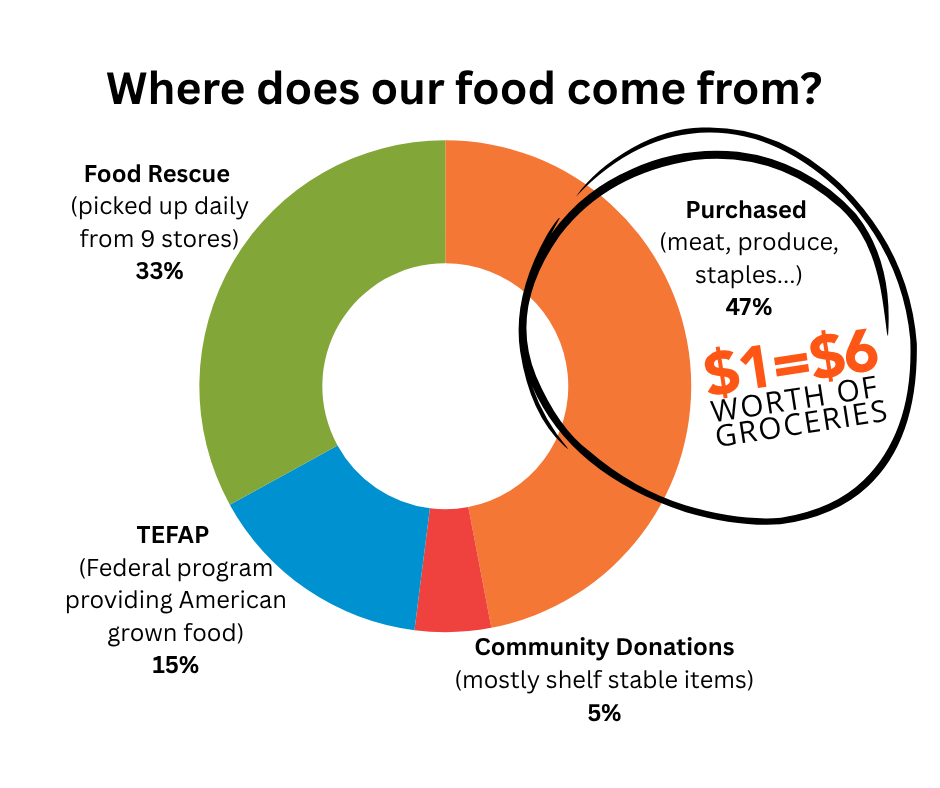
Financial support is the most effective way to maximize your impact. The food shelf can turn a $1 donation into $6 worth of groceries through the food banking network. And now, through the end of 2025, your gift can go even further.
A generous business partner has pledged to match all new or increased donations to the food shelf up to $100,000. That means your $1 donation could multiply into $12 of food for families in need.
Host a Food Drive
A fun way to help your neighbors in need is to sponsor a food drive for the White Bear Area Food Shelf. Whether it’s with your neighbors, customers, school, church or the community at large, a food drive can greatly help us replenish our shelves and continue to meet the growing demand for food assistance in the community. Learn more about food drives.
Keep Up To Date on Food Insecurity Legislation
Funding for food security is complex and constantly evolving. Policy changes, federal programs, and state-level decisions all impact how organizations like ours can serve families. Staying informed helps you understand the challenges and opportunities.
Follow these organizations to stay on the cutting edge of food insecurity advocacy and funding updates:
Food insecurity is a multifaceted issue—tied to housing, wages, healthcare, and more. There’s no single solution, and meaningful progress will require thoughtful collaboration across sectors and political lines. But one thing is clear: we must work together to ensure families have access to the food they need. Whether through policy, philanthropy, or community action, everyone has a role to play in building a more food-secure future.